Sever’s Disease Treatment Heathpool
What Are The Symptoms Of Sever’s Disease?
If your child is experiencing certain symptoms, it could be indicative of Sever’s Disease. Look out for these signs:
- A slow but steady escalation of pain over time.
- Increased discomfort during sporting activities.
- Heel pain that may be more pronounced when barefoot, especially in the morning.
- Sensitivity or tenderness when applying pressure to the affected area.
What Are The Causes Of Sever’s Disease?
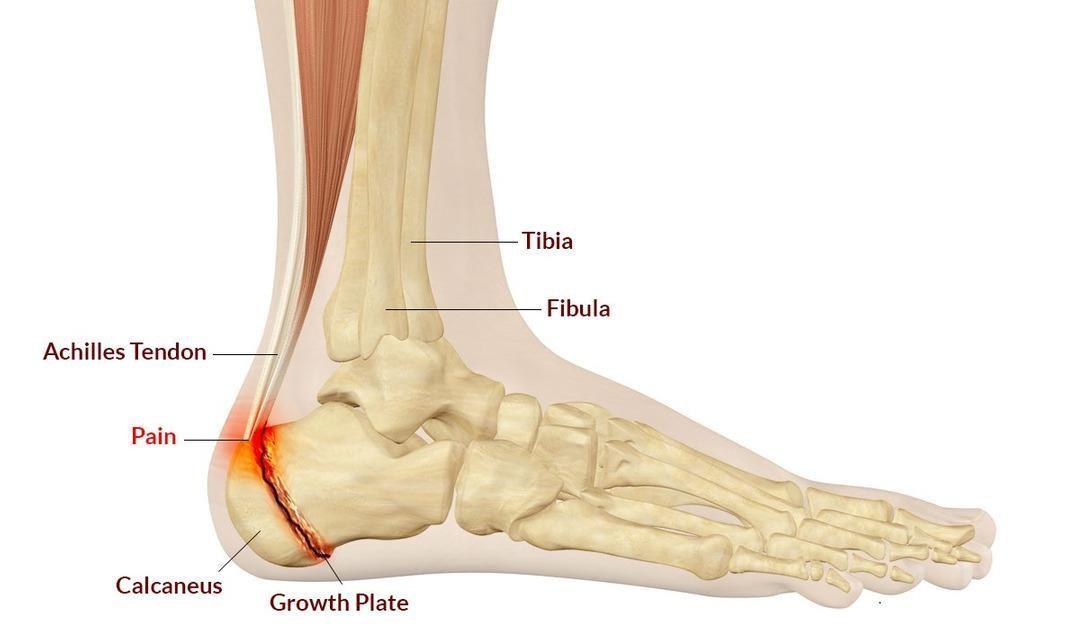
Sever’s Disease occurs during a child’s growth spurt when the heel bone expands more rapidly than the muscles, ligaments, and tendons in the leg. This growth discrepancy causes the Achilles tendon, which connects the leg muscles to the heel, to become taut. It exerts pressure on a vulnerable area of the heel, known as the growth plate, which is cartilage not yet converted into bone. This area is susceptible to inflammation due to the excessive strain from the Achilles. The condition may arise from various factors, including:
- Growth of the child has made the bones longer than the muscles
- Excessive over-pronation (flat feet)
- Tight calves
- Poor/soft footwear
- Excessive sporting participation
Treatment for Sever’s Disease
At Heel Pain Clinics of Adelaide, our unique ‘Don’t Severs Your Child’s Foot System‘ is designed to target the root causes that contribute to the stress on the heel growth plate in Sever’s Disease.
This comprehensive approach includes the ‘Heal Your Heel System‘, which is structured around three key components:
- Your Child’s Homework: Exercise Regime
- Address Any Bad Footwear
- Addressing Biomechanics
If your child has Sever’s Disease we have a 94% success rate with this program.

Ultimate 7 Step Checklist to Heal Your Morning Heel Pain
Gap Free Heel Pain Assessments*
We offer a GAP FREE ASSESSMENT* for heel pain under your health insurance.

Book Online in less than 60 Seconds
Join over 20,000 South Australians who are now pain free!