Heel pain in children is more common than many parents expect. It often starts as a complaint after sport or a limp that seems to come and go. Because children are active, it’s easy to assume it’s just a temporary issue.
At Adelaide Heel Pain Clinic, one of the most common causes we see is Sever’s disease, a condition linked directly to growth.
What Is Sever’s Disease?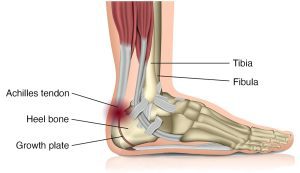
Sever’s disease is not actually a disease in the traditional sense. It is a growth-related condition that affects the heel.
In children and adolescents, the heel bone has a growth plate that is still developing. This area is softer and more sensitive to stress compared to fully developed bone.
When repetitive strain is placed on the heel, this growth plate can become irritated. This leads to pain, especially during or after activity.
Why It Happens During Growth
Children often go through periods where their bones grow faster than their muscles and tendons can keep up.
During these growth phases:
- The calf muscles can become tighter
- The Achilles tendon places more pull on the heel
- The heel absorbs repeated impact from running and jumping
This combination creates stress at the back of the heel, leading to discomfort.
Common Signs to Look Out For
Children don’t always describe pain clearly, so it’s important to look for patterns.
Signs of children’s heel pain may include:
- Pain during or after sport
- Limping, especially after activity
- Walking on toes or avoiding putting weight on the heel
- Complaints of “sore heels” at the end of the day
- Reduced participation in sport or play
In many cases, the pain improves with rest but returns as soon as activity increases again.
Why It Shouldn’t Be Ignored
Although Sever’s disease is a temporary condition, leaving it unmanaged can make things harder for the child.
Ongoing pain can:
- Affect participation in sport
- Change the way a child walks or runs
- Lead to compensation patterns in the legs
Early support helps keep children active and prevents unnecessary frustration.
How Adelaide Heel Pain Clinic Can Help

At Adelaide Heel Pain Clinic, we focus on reducing pain while allowing children to stay active where possible.
Our approach may include:
- Assessing foot posture and movement
- Identifying contributing factors such as footwear or activity levels
- Providing advice on load management during flare-ups
- Recommending supportive footwear
- Custom orthotics, when appropriate, to reduce stress on the heel
- Treatment options to help settle irritation and support recovery
Every child is different, so treatment is tailored based on their symptoms, activity level and stage of growth.
Do Children Need to Stop Sport?
In most cases, complete rest is not necessary.
The goal is to modify activity, not remove it completely. With the right support, many children can continue participating at a level that does not aggravate the heel.
This is often a much better outcome than stopping sport entirely.
What Parents Can Do Early
If your child is starting to complain of heel pain, simple steps can help early on:
- Check their footwear for support and fit
- Avoid excessive time in flat or unsupportive shoes
- Encourage stretching of the calf muscles
- Monitor how often the pain is occurring
If the pain continues, it’s worth getting it assessed properly.
Final Thought
Children’s heel pain is common, especially during growth, but it doesn’t have to limit activity or enjoyment of sport.
With the right approach, symptoms can be managed effectively and children can continue doing what they love.
At Adelaide Heel Pain Clinic, we help identify the cause, support recovery, and keep kids moving comfortably through every stage of growth.
