
Plantar Fasciitis Treatment Adelaide
Is heel pain impacting your ability to work, exercise, and go about your daily routine? Plantar fasciitis could be to blame.

What is Plantar Fasciitis?
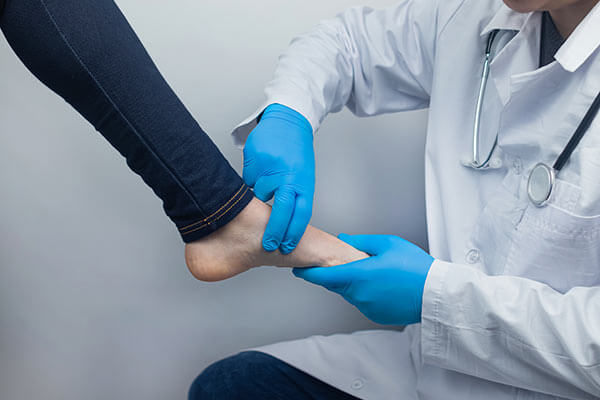
The plantar fascia is a thick band of tissue along the bottom of the foot, running from the heel right to the toe. It forms the arch of your foot, playing an important role in foot support and movement. Plantar fasciitis refers to the inflammation of the plantar fascia, and causes heel pain that can become persistent or limiting for some people.
Heel pain is the single most common injury that we see at the Adelaide Heel Pain Clinics. At our specialist clinic alone, we typically see about 50 cases per day of heel pain commonly labelled plantar fasciitis. This condition is clearly extremely common, but that doesn’t make it any less of a serious problem. Early assessment may assist with management and treatment, especially since recent studies have shown that 50% of plantar fasciitis sufferers still had it after five years – and more than 45% still had it after ten!
Symptoms of Plantar Fasciitis
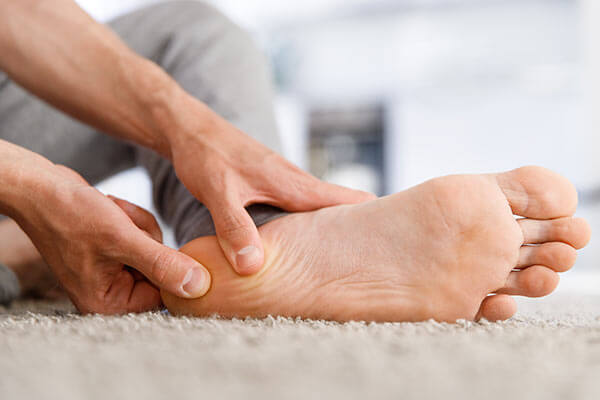
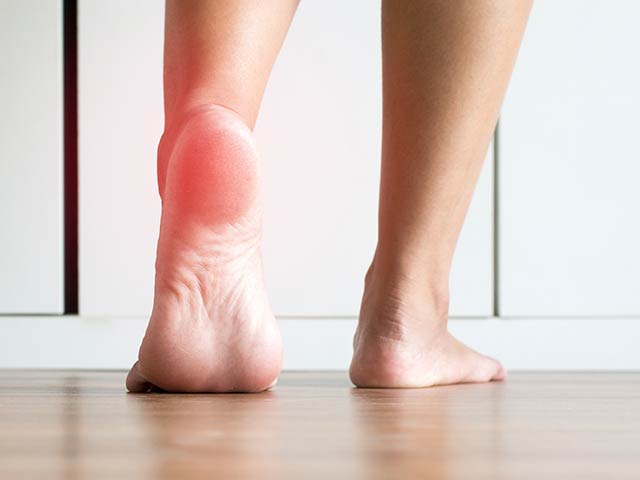
The primary symptom associated with plantar fasciitis is heel pain. The pain commonly associated with this particular condition is typically described as sharp, felt at the bottom of the foot near the heel. It is common for patients to describe their pain as worst in the morning, as they take their first few steps after laying down overnight. Similarly, pain from plantar fasciitis can be worse after sitting or standing for long periods at once. Other common symptoms could include pain in the sole of the foot, limping, swelling, and tenderness.
What Causes Plantar Fasciitis
Plantar fasciitis develops due to excessive pressure and strain on the plantar fascia itself, causing inflammation and irritation that leads directly to heel pain. At times, this inflammation is a result of strenuous activity, such as sports or hobbies that put stress on the heel bone. This may include dancing, running, or gymnastics. Other factors that could increase the likelihood of developing plantar fasciitis could be weight gain, ageing, pregnancy, spending long hours on your feet, abnormal foot mechanics such as tight Achilles tendon tight calf muscles, tight plantar fascia, and having flat feet or high arches.

Ultimate 7 Step Checklist to Heal Your Morning Heel Pain
Tired of Limping?
Book an Appointment to Treat Your Heel Pain Today!
Treatment of Plantar Fasciitis
At Adelaide Heel Pain Clinics, we treat dozens of plantar fasciitis cases every day. We offer a range of assessment and management options for heel pain, tailored to the severity and specifics of each case. We see a wide range of heel pain presentations in clinic. We can develop an individualised management plan based on your assessment findings.
Adelaide Heel Pain Clinic proudly offers quality plantar fasciitis treatment to residents of North Adelaide, Eastwood, Parkside, Glenside, Frewville, Fullarton, Highgate, Myrtle Bank, Brompton, Prospect, Walkerville, Unley, St Peters, Norwood, Thebarton, Mile End, Glenunga and surrounding suburbs.

Radial Shockwave Therapy
Radial shockwave therapy is a commonly used treatment option. We regularly provide shockwave therapy for many different patients to help with heel pain of different types.

Focal Shockwave Therapy
We offer focal shockwave therapy as part of our heel pain management options.
Dry Needling
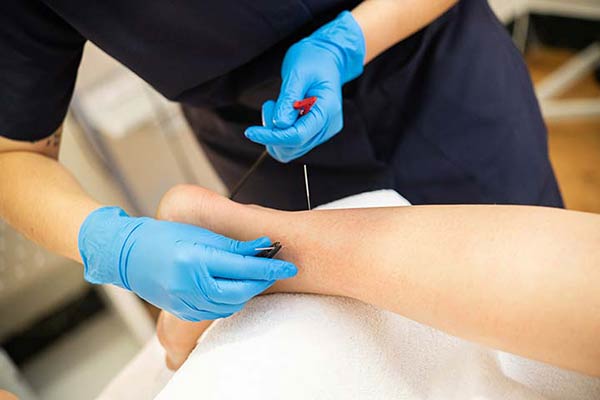
When it comes to releasing tight muscles, dry needling is a commonly used technique. Using small acupuncture needles, we target trigger points as part of soft tissue management.
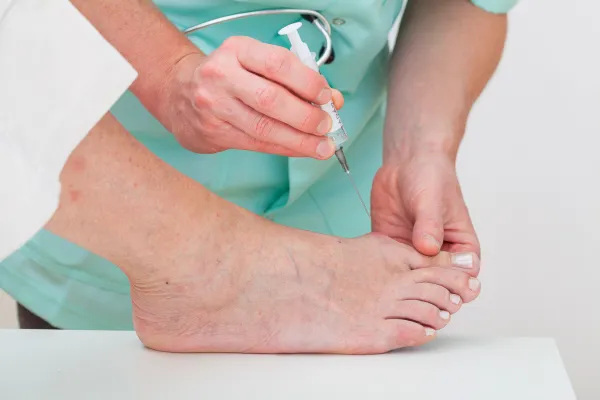
Prolotherapy
Prolotherapy is an injection-based treatment that uses a dextrose solution to stimulate the body’s natural repair response within targeted soft tissue structures.
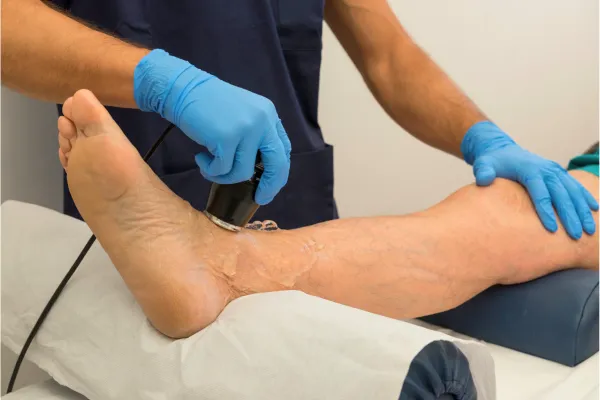
Diagnostic Ultrasound
At our clinic, prolotherapy injections are performed under ultrasound guidance to support accurate placement within the plantar fascia structures.
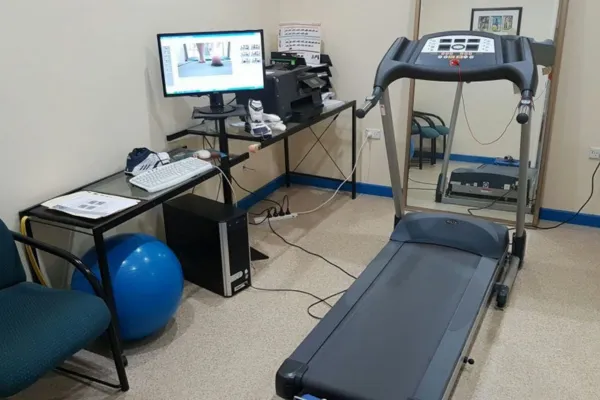
AI Computerised Treadmill Gait Analysis
Our team combines Computerised Gait Analysis with a physical biomechanical assessment to develop a detailed report and tailored management plan.

Orthotics
Custom orthotics provide footwear support tailored to individual biomechanics and can be fitted into a range of footwear. With orthotics, you can receive a treatment option tailored for your foot and your unique needs.

Low-Level Cold Laser
Low-level cold lasers are an alternative treatment option to hot lasers, and this podiatry treatment may a suitable treatment option.

Exercise Rehabilitation
Why not get a treatment plan designed entirely for you – your pain, your health, your goals. Working with a podiatrist on a custom exercise rehabilitation plan may assist with movement and function goals.
Your Plantar Fasciitis Questions Answered
Are plantar fasciitis and heel spurs the same?
Simply put, no. While these two conditions are often confused with one another, due to similar symptoms, there are key differences. One is ligament inflammation, and the other is related to the bone.
What are the best shoes to wear for plantar fasciitis?
Your shoes need to provide support for your daily activities. There is no one specific shoe design best for plantar fasciitis – it depends on what you need to do each day, and what your specific foot needs. Work with a podiatrist to find the best option for you.
Should I still walk or run if I have plantar fasciitis?
To support management of your plantar fascia symptoms, it’s essential to take time off from exercises like running or any other high-strain activities. However, exercise is extremely important for health. Activities that require lower impact levels such as swimming are great alternatives.
Is plantar fasciitis genetic?
There is no genetic factor affecting the development of plantar fasciitis. It isn’t a condition you’ll inherit from your parents, as there is no genetic link associated.
What does plantar fasciitis feel like?
While patients are bound to experience plantar fasciitis in their own ways, the condition is most commonly described as a sharp, stabbing pain near the bottom of the foot. Pain is usually close to the heel, and at its worst when taking the first few steps after waking up or after sitting/standing for long periods of time.
When should I see a podiatrist for plantar fasciitis?
If symptoms persist or affect daily activities, consider seeking assessment.
Do compression socks help with plantar fasciitis?
Yes, some people find compression socks provide additional support during activity by offering arch support. For individualised advice regarding how to ease your discomfort, discuss your pain with a podiatrist.
Why does plantar fasciitis hurt more in the morning?
When the plantar fascia remains inactive for long periods, it can tighten. When the foot is used again after several hours of rest, it may be uncomfortable to stretch it out again. This is why taking the first few steps in the morning, or after sitting or standing for long periods, can be more painful than normal.

Book Online in less than 60 Seconds
Easily book an appointment at Adelaide Heel Pain Clinics in less than 60 seconds by selecting a location, practitioner, date and time from our online booking portal. Same day appointments are available.