Heel pain is one of the most common complaints we see in children. This is because the heel growth plate remains open throughout childhood and early
adolescence. When high activity levels are combined with unsupportive shoes, repetitive stress can irritate this area.
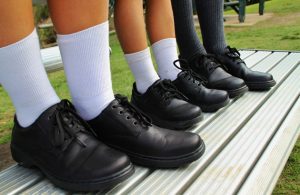
Shoes that lack cushioning, heel stability or arch support can increase impact forces through the heel — particularly during running, jumping and playground activity.
What to Look for in a Good School Shoe
While no shoe is perfect for every child, supportive school shoes should generally include:
-
A firm heel counter to stabilise the rear foot
-
Adequate cushioning to absorb impact
-
A flexible forefoot, but supportive midfoot
-
Enough width and depth to allow natural toe movement
-
Secure fastening (laces or Velcro) for stability
Shoes should also be replaced as children grow, as even a small size mismatch can alter walking mechanics and increase strain.
How Orthotics Can Help Some Children
In some cases, footwear alone is not enough. Children with flat feet, excessive pronation, recurrent heel pain or rapid growth spurts may benefit from custom orthotics.
Orthotics can help by:
-
Supporting the arch and improving foot alignment
-
Reducing strain through the heel growth plate
-
Improving shock absorption during walking and running
-
Enhancing overall comfort in school and sports shoes
It’s important to note that not every child needs orthotics. At Adelaide Heel Pain Clinic, we only recommend them when clinically appropriate and as part of a broader care plan.
When to Seek Professional Advice
It’s worth having your child assessed if they complain of:
-
Heel pain or limping
-
Foot pain after school
-
Pain during or after sport
-
Fatigue or discomfort that doesn’t settle with rest
Early assessment allows us to address footwear, activity levels and biomechanics before problems become more persistent.
How Adelaide Heel Pain Clinic Can Help
At Adelaide Heel Pain Clinic, we assess children’s foot posture, walking pattern and footwear to identify contributing factors to heel pain and lower-limb discomfort. Depending on the child, this may include:
-
School and sports footwear advice
-
Activity modification during painful periods
-
Stretching and strengthening programmes
-
Custom orthotics, when additional support is required
Our focus is on supporting healthy development while keeping children active, confident and pain-free.
Final Thought
The right school shoes — and the right support when needed — can make a significant difference to children’s foot health. Supportive footwear, combined with early assessment and orthotics where appropriate, helps protect growing feet and reduce the risk of heel pain.
If your child is experiencing foot or heel discomfort, early advice can prevent long-term issues.
