Plantar Fasciitis Treatment Hazelwood Park
Is heel pain making it difficult for you to work, exercise, or manage daily activities? You might be dealing with plantar fasciitis.


What is Plantar Fasciitis?
Running from the heel to the toes, the plantar fascia is a thick band of tissue that supports the arch of your foot and enables proper function. When this tissue becomes inflamed, it leads to plantar fasciitis—a condition that can cause significant heel pain.
Heel pain is the most common injury treated at the Adelaide Heel Pain Clinics. Our specialist clinic near Hazelwood Park manages around 50 cases daily, with plantar fasciitis being the most frequent diagnosis. While it’s a widespread issue, that doesn’t make it any less serious. Prompt treatment is essential, especially since studies reveal that 50% of sufferers still experience symptoms after five years, and 45% after ten years. To avoid long-term discomfort, it’s crucial to consult a podiatrist as soon as possible.
Symptoms of Plantar Fasciitis
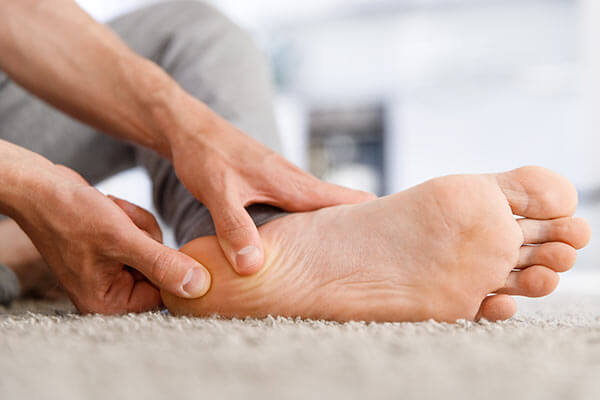
The most common symptom of plantar fasciitis is heel pain, typically described as a sharp sensation on the bottom of the foot near the heel. Many patients report the pain being most intense in the morning, particularly when taking their first steps after resting overnight. Pain can also worsen after prolonged periods of sitting or standing. Other symptoms may include pain in the sole of the foot, limping, swelling, and tenderness.

What Causes Plantar Fasciitis
Excessive pressure on the plantar fascia can result in irritation and inflammation, causing heel pain associated with plantar fasciitis. Strenuous activities that involve repetitive impact, such as running, dancing, or gymnastics, often contribute to the problem. Other factors that raise the risk include weight gain, ageing, pregnancy, long periods of standing, and foot structures like flat feet or high arches.

Ultimate 7 Step Checklist to Heal Your Morning Heel Pain
Tired of Limping?
Book an Appointment to Treat Your Heel Pain Today!
Treatment of Plantar Fasciitis
At Adelaide Heel Pain Clinics, we treat dozens of plantar fasciitis cases every day. Our experience and resources allow us to help patients manage heel pain effectively, regardless of its severity or unique circumstances. With a wide range of treatment options available in-clinic, we’re confident we can create a personalised plan tailored to your needs.
Adelaide Heel Pain Clinic delivers trusted plantar fasciitis treatment to residents across North Adelaide, Eastwood, Parkside, Glenside, Frewville, Fullarton, Highgate, Myrtle Bank, Brompton, Prospect, Walkerville, Unley, St Peters, Norwood, Thebarton, Mile End, Glenunga and surrounding suburbs.

Radial Shockwave Therapy
Radial shockwave therapy offers a powerful solution for heel pain, requiring no recovery time and posing no long-term side effects. We provide this treatment regularly for patients experiencing various types of heel pain.

Focal Shockwave Therapy
Our clinic houses South Australia’s only focal shockwave therapy machine, one of just a few available in the country. This advanced treatment offers a cutting-edge approach to relieving heel pain.

Dry Needling
When it comes to relieving muscle tightness, dry needling is a proven technique. By inserting small acupuncture needles into trigger points, we help reduce muscle pain and tension.

Orthotics
With custom orthotics, you can enjoy individualised support and comfort in any shoe. These orthotics are designed specifically for your foot structure and needs.

Low-Level Cold Laser
Low-level cold lasers offer a less painful alternative to traditional hot lasers. As a breakthrough technology in podiatry, this treatment could be the ideal solution for your needs.

Exercise Rehabilitation
Get a treatment plan designed just for you—addressing your pain, supporting your health, and helping you reach your goals. A custom exercise rehabilitation plan with a podiatrist could bring excellent results.
Everything You Need to Know About Plantar Fasciitis
Plantar fasciitis vs. heel spurs: Are they the same?
No, they are different conditions. Plantar fasciitis refers to ligament inflammation, while heel spurs are bony projections on the heel, even though their symptoms can be similar.
What type of shoes should I wear for plantar fasciitis relief?
The best shoes for plantar fasciitis should support your daily activities and address your unique foot needs. A podiatrist can guide you in selecting the perfect pair to ease discomfort and support your lifestyle.
Can I continue walking or running if I have plantar fasciitis?
To give your plantar fascia time to heal, avoid high-strain exercises like running. Maintaining your fitness is still important, so consider switching to low-impact activities like swimming, which won’t exacerbate heel pain.
Can plantar fasciitis run in families?
There’s no genetic link associated with plantar fasciitis. It isn’t an inherited condition and typically develops due to factors like strain, overuse, or foot mechanics.
What kind of pain is associated with plantar fasciitis?
Plantar fasciitis pain is typically described as a sharp, stabbing sensation near the heel, affecting the bottom of the foot. It’s usually most severe with the first steps after getting up in the morning or following prolonged sitting or standing.
At what point should I seek professional care for plantar fasciitis?
Addressing heel pain early is essential. If you’re experiencing discomfort, book an appointment with a podiatrist right away to prevent further complications.
Can compression socks relieve plantar fasciitis pain?
Yes, compression socks can help ease plantar fasciitis symptoms by providing arch and ankle support, which limits excessive movement and improves alignment. For personalised guidance, consult a podiatrist.
Why is plantar fasciitis pain worse in the morning?
After being inactive for several hours, the plantar fascia can tighten. Stretching it out with the first few steps in the morning or after sitting for a long time often leads to increased discomfort and pain.

Book Online in less than 60 Seconds
Join over 20,000 South Australians who are now pain free!